What washing removes
Siding, trim and decks collect dirt, pollen, mildew and algae, especially on shaded walls and on homes near the water or under trees. Paint and stain do not bond well to a dirty or chalky surface. Washing before painting gives the new coat a clean surface to hold on to. Some homeowners also have siding, walks and patios washed on their own between paint jobs.
- Vinyl, wood and fiber cement siding
- Decks, fences and railings
- Brick, stone and concrete walks and patios
- Mildew treatment on shaded walls
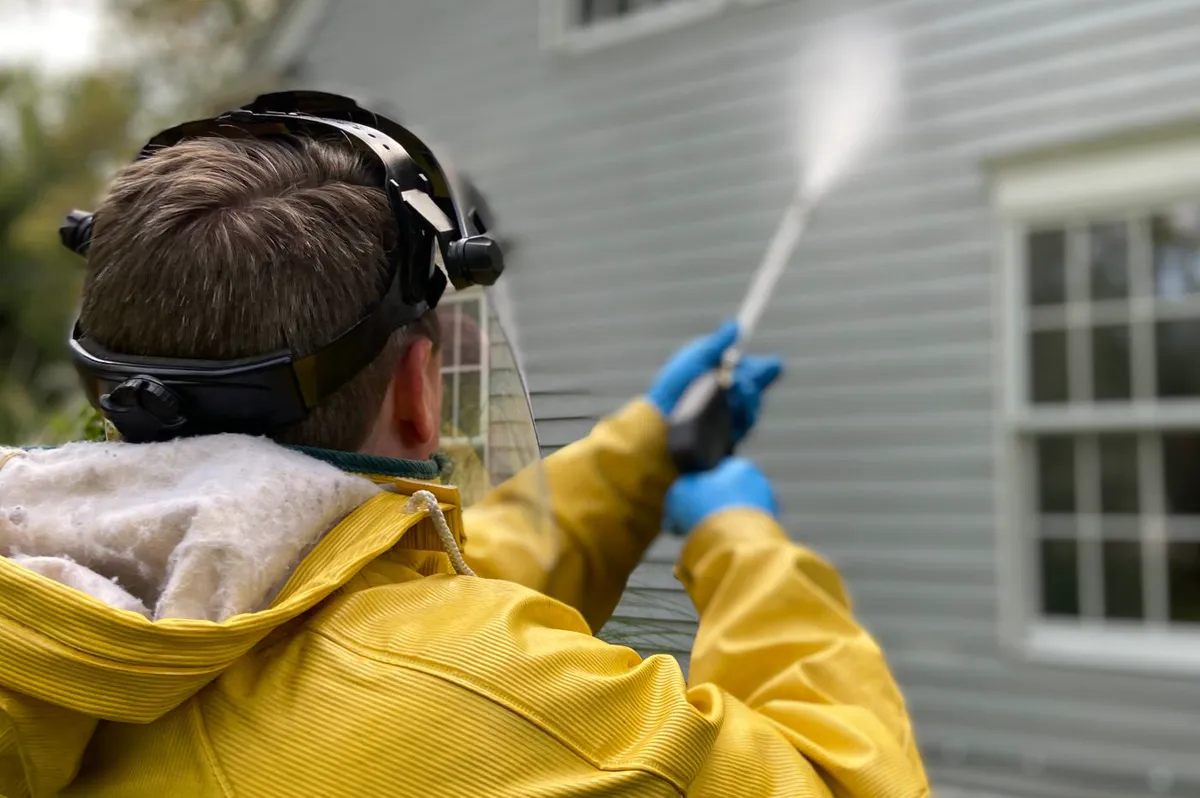
Pressure, soft washing and older homes
High pressure can drive water behind siding, gouge soft wood, strip mortar from old brick and blow out window glazing. On older wood homes, many contractors prefer soft washing, which uses low pressure with a cleaning solution. After washing, wood needs to dry fully before any primer or paint goes on.
On a house built before 1978, washing loose paint off the walls can spread lead paint chips. The EPA lead-safe rules apply when a paid contractor disturbs that paint, and the contractor should contain and collect the debris rather than wash it into the yard.
Other surface prep
Washing is one step. Full prep before painting usually also includes scraping loose paint, sanding rough edges, filling holes, caulking joints, replacing rotted wood and spot priming. When you compare painting estimates, look at how each painter describes their prep. That line explains most of the difference between bids.
Safety
Pressure washers can cause injuries and damage property in the wrong hands, and ladders on wet surfaces are a hazard. Hiring a contractor with the right equipment and insurance is the safer route for anything above the ground floor. Keep washers away from electrical outlets, fixtures and meters.
When to schedule washing
Washing works best on a dry, mild day in spring, summer or early fall, so surfaces can dry quickly afterward. If you are planning to paint, schedule the washing as part of the painting job, so the painter controls the timing and knows the surface is dry before priming. Cover or move plants, outdoor furniture and grills, and close windows before the crew starts.
Typical power washing costs
Published national ranges from HomeAdvisor.
| Job | Typical range |
|---|---|
| House washing, typical job | $212 to $448 |
| One-story house | $150 to $750 |
| Two-story house | $400 to $1,400 |
| Three-story house | $700 to $1,800 |
| Driveway | $120 to $320 |
Ranges are national averages, not quotes. Your price depends on house size and height, siding type, mildew, access and whether washing is part of a larger painting job.
Sources: HomeAdvisor, pressure washing cost; HomeAdvisor, driveway pressure washing cost
Questions homeowners ask
Is washing included in a painting estimate?
Often it is, as part of exterior prep. Check the estimate to see whether washing is listed and what method will be used.
How long should siding dry after washing before painting?
Wood needs to dry fully, which can take a day or more depending on weather. Your painter should check that the surface is dry before priming or painting.
Can power washing damage my house?
Yes, if the pressure is too high or the nozzle is too close. It can force water behind siding and damage soft wood or old mortar. Low-pressure soft washing is gentler on older homes.
Other services
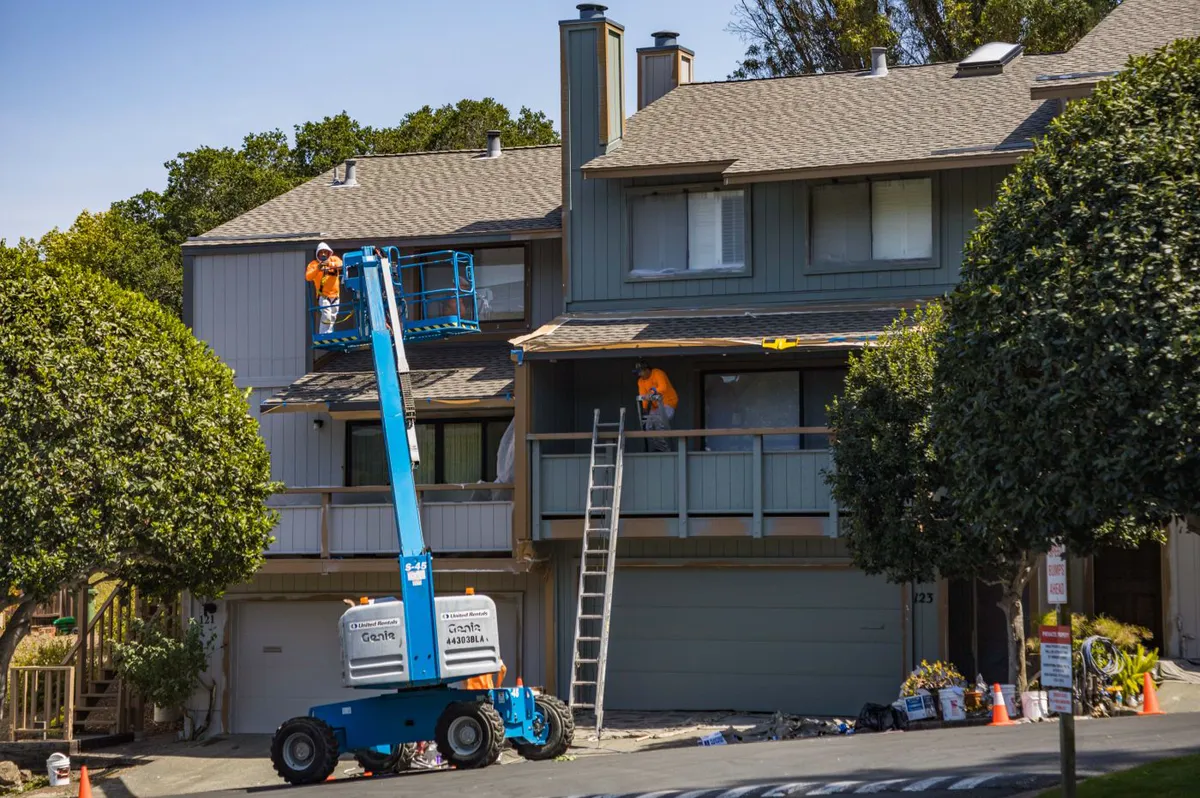
House painting
Full interior or exterior repaints for houses of every age.
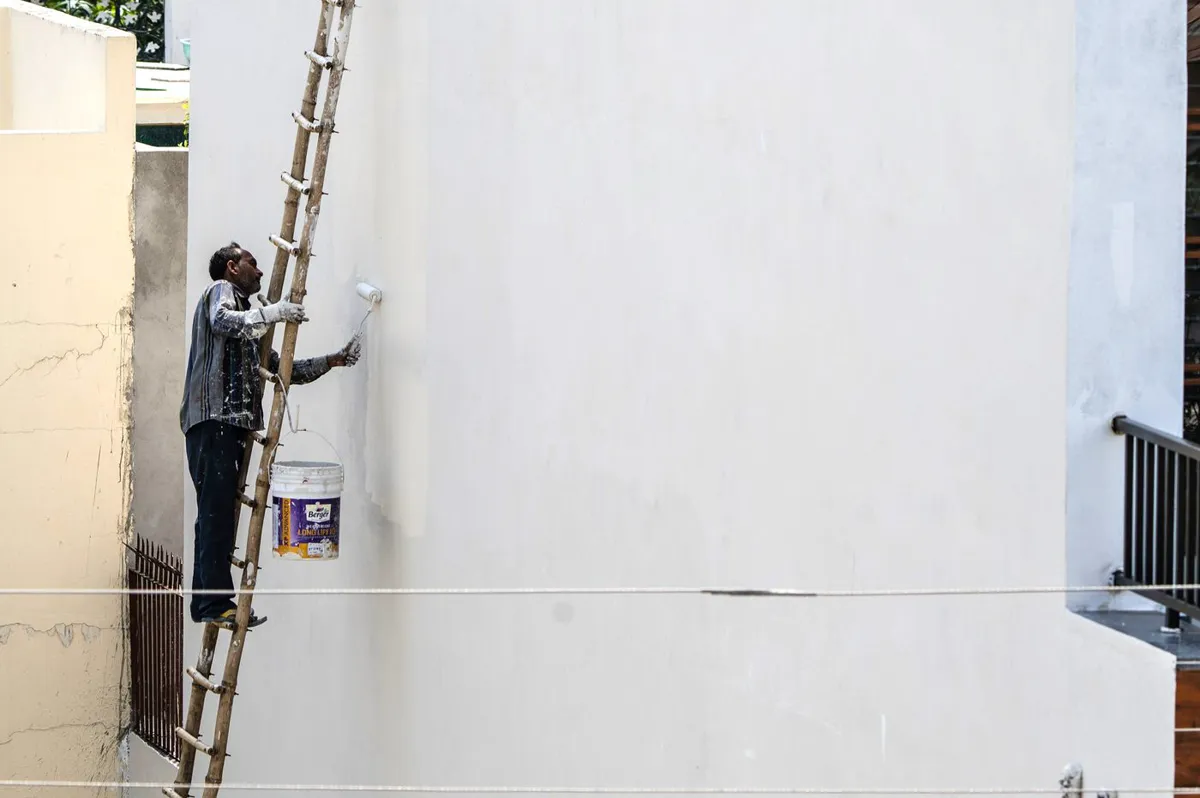
Exterior painting
Siding, trim, porches and doors, with the prep older homes need.
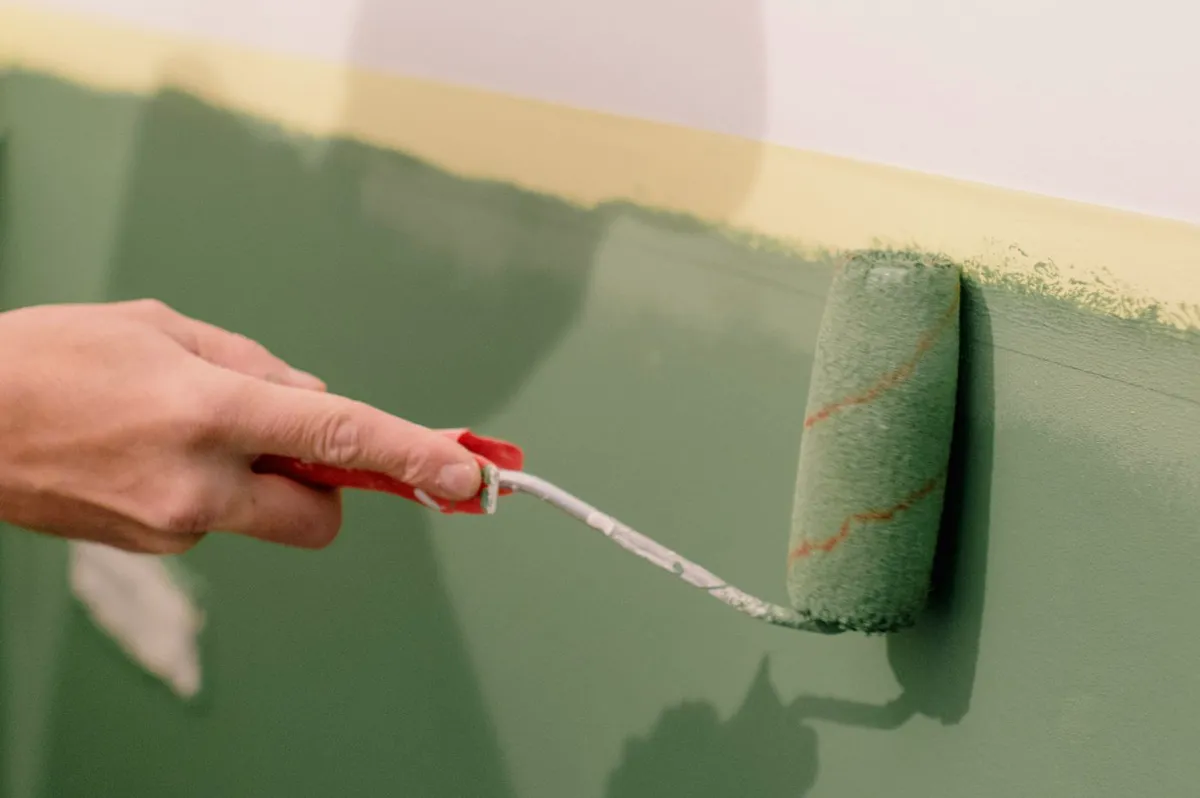
Interior painting
Walls, ceilings, trim and doors, one room or the whole house.
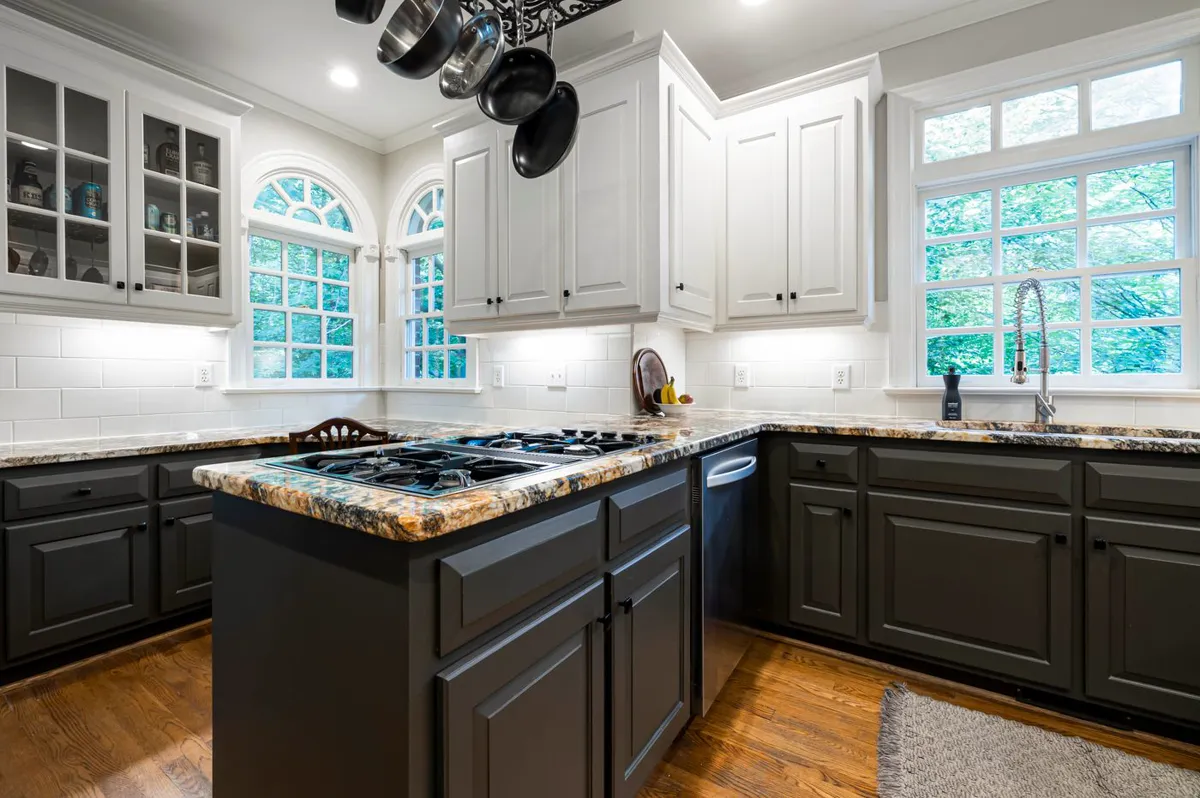
Cabinet painting and refinishing
A new look for kitchen and bath cabinets without replacing them.
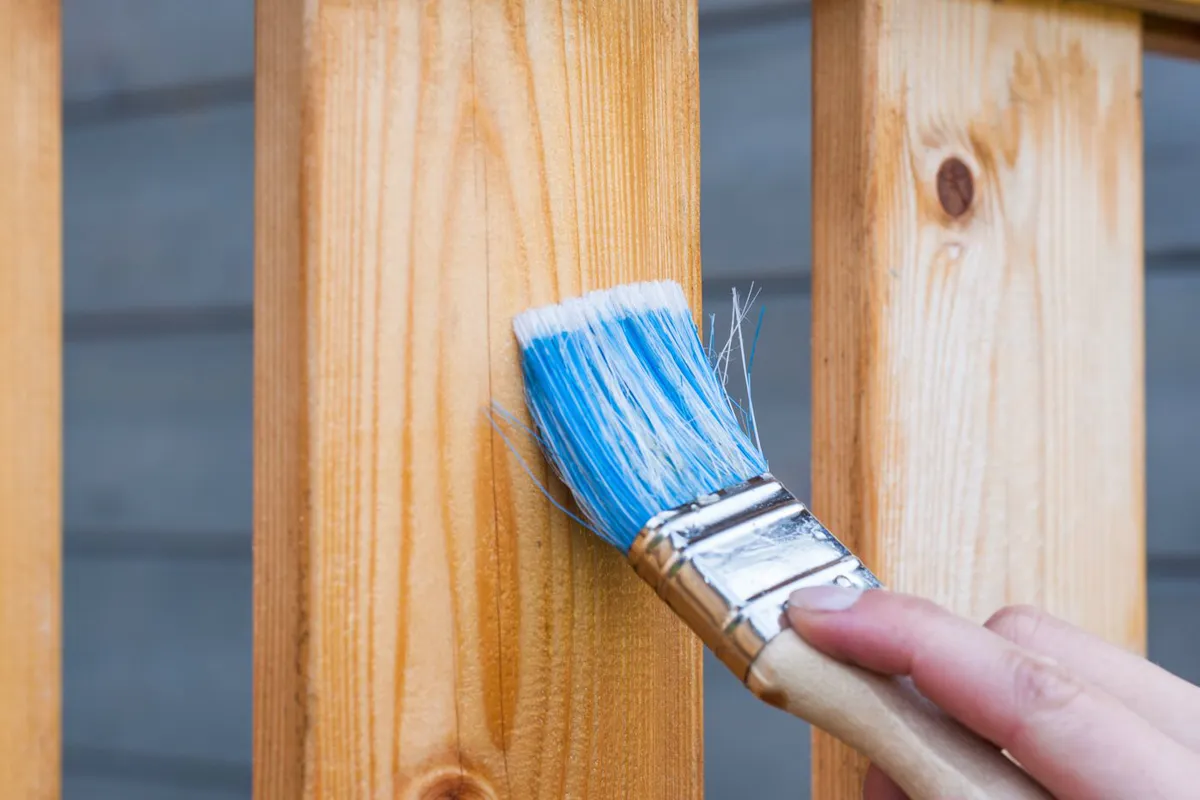
Deck and fence staining
Cleaning, sealing and staining for wood decks and fences.

Commercial painting
Storefronts, offices and multi-family buildings.