Why outdoor wood needs regular care
Sun breaks down wood fibers and stain, and water soaks into any unprotected wood. Through a Westchester winter, that water freezes and thaws over and over. Without a protective finish, decks and fences turn gray, crack, cup and eventually rot. Horizontal deck boards take the worst of it, so decks usually need attention more often than fences.
- Wood decks, stairs and railings
- Wood fences and gates
- Pergolas and arbors
- Clear sealers, semi-transparent and solid stains
What the job involves
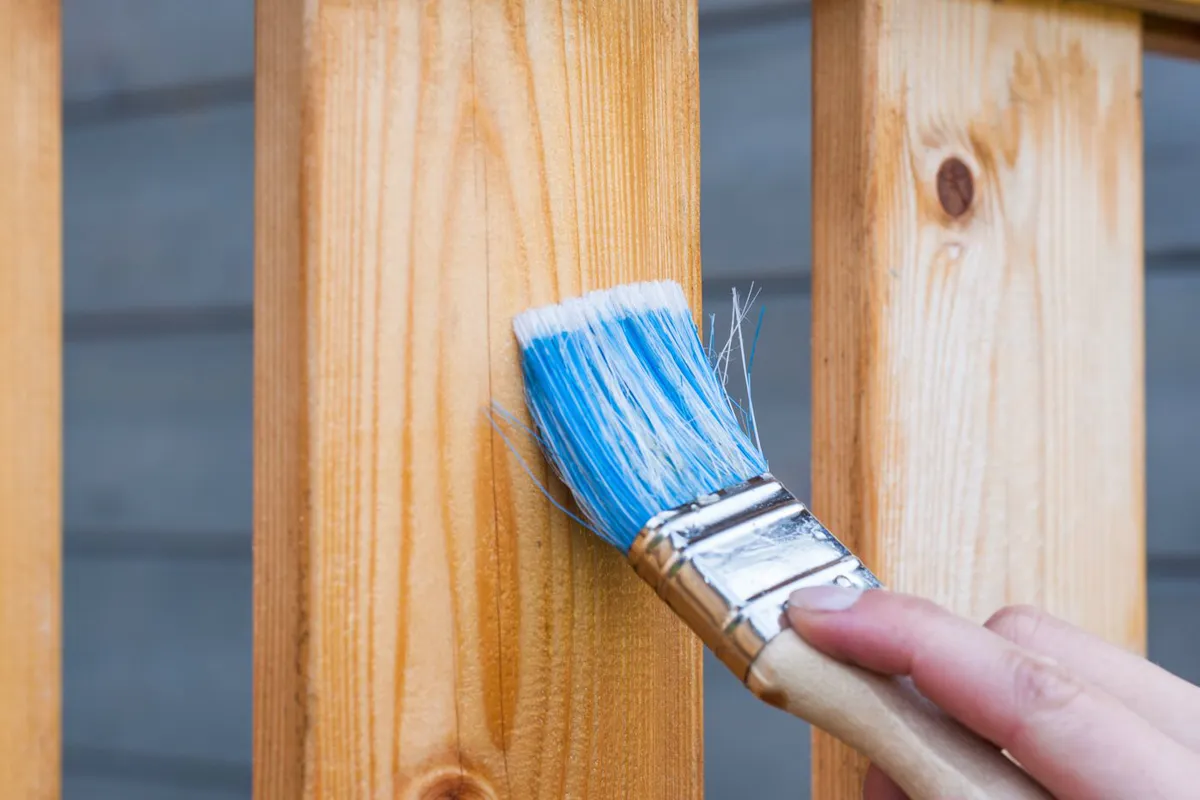
A typical job starts with cleaning the wood, often with a deck cleaner or brightener and a low-pressure rinse, then letting it dry fully. Loose boards and popped nails or screws get fixed. Peeling old finish may need to be stripped or sanded. Then the new stain or sealer goes on, usually by brush or roller, with attention to board ends where water gets in.
The right product depends on the wood and the look you want. Clear and semi-transparent stains show the grain but need recoating more often. Solid stains cover more like paint and last longer, but they can peel and are harder to switch away from later.
Timing
Staining needs dry wood and a few dry days in a row, so late spring through early fall is the usual window here. New pressure-treated lumber often needs time to dry before it will take stain. Ask your contractor when your wood will be ready.
Repairs and safety
If deck boards are soft, railings are loose or posts are rotting at the base, those repairs should come before stain. Structural problems on a raised deck are a job for a qualified deck builder or carpenter, and some repairs may need a permit from your village or town. Your contractor should tell you if they see something that needs a closer look.
Getting an estimate
Measure the deck and fence if you can, or at least note the rough size, the number of stair runs and how much railing there is. Tell the contractor what finish is on the wood now, since going from a solid stain to a semi-transparent one usually means stripping. Ask which product they plan to use and how soon the deck can be used again.
Typical deck and fence staining costs
Published national ranges from Angi.
| Job | Typical range |
|---|---|
| Deck staining, typical job | $550 to $1,250 |
| Deck staining, per square foot | $1 to $2.50 |
| Fence painting or staining, typical job | $300 to $4,800 |
| Fence staining, per square foot | $1 to $3 |
Ranges are national averages, not quotes. Your price depends on size, railings and stairs, the condition of the old finish, stripping or sanding, repairs and the product used.
Sources: Angi, cost to stain a deck; Angi, fence painting cost
Questions homeowners ask
How often should a deck be stained?
Many decks need a fresh coat every couple of years, and sooner in full sun. A simple test is to sprinkle water on the boards. If it soaks in instead of beading, the finish is wearing out.
Can I stain new pressure-treated wood right away?
Often not. New pressure-treated lumber can be too wet to absorb stain. Follow the stain maker's guidance and let your contractor check the wood before applying.
Is solid stain or semi-transparent better?
Semi-transparent shows the wood grain and wears away gradually, which makes recoating easier. Solid stain lasts longer and hides worn wood, but it can peel like paint. The best choice depends on the wood's condition and the look you want.
Other services
House painting
Full interior or exterior repaints for houses of every age.
Exterior painting
Siding, trim, porches and doors, with the prep older homes need.
Interior painting
Walls, ceilings, trim and doors, one room or the whole house.
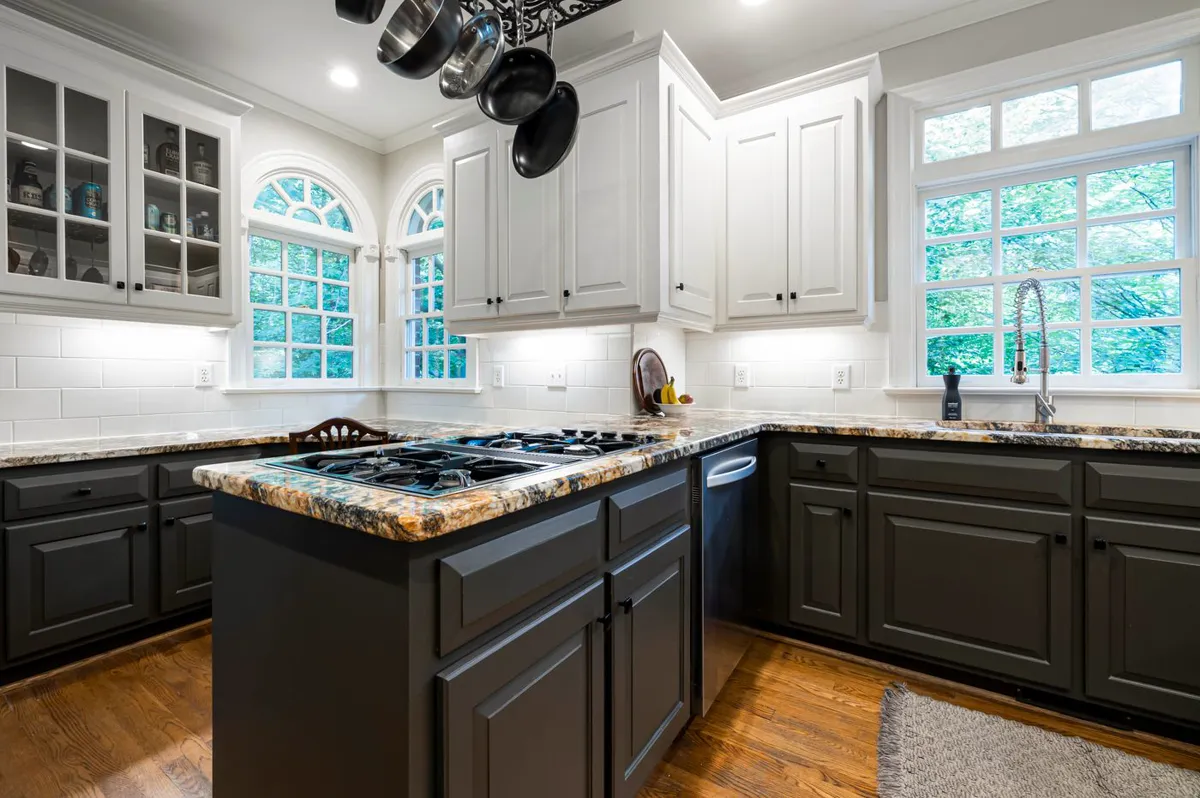
Cabinet painting and refinishing
A new look for kitchen and bath cabinets without replacing them.

Power washing and surface prep
Cleaning and prep for siding, decks and walks before paint or stain.

Commercial painting
Storefronts, offices and multi-family buildings.